
Discover the full story of Mary Nightingale illness, her frightening throat cancer scare, vocal health problems, and inspiring recovery journey. Updated 2026 guide covering her ITV Evening News career and current health status.
Quick Facts: Mary Nightingale Health Overview
| Detail | Information |
|---|---|
| Full Name | Mary Nightingale |
| Date of Birth | 26 May 1963 |
| Age (2026) | 62 years old |
| Birthplace | Scarborough, North Yorkshire, UK |
| Employer | ITV News (since 2001) |
| Role | ITV Evening News Anchor & Presenter |
| Education | Bedford College, University of London (BA English) |
| Health Scare | Throat cancer scare (ruled out); stress-related vocal cord strain |
| Duration of Symptoms | Over 15 months |
| Cancer Diagnosis | No – all tests came back negative |
| Recovery Method | Vocal coaching, lifestyle changes, breathing techniques, ITV schedule support |
| Current Status (2026) | Active presenter at ITV News; no confirmed ongoing illness |
| Husband | Paul Fenwick |
Mary Nightingale Illness: Understanding the Full Story
Mary Nightingale is one of Britain’s most recognisable and trusted television journalists. For over two decades, she has anchored the ITV Evening News with quiet authority and steady composure, becoming a household name across the UK. Yet behind that polished on-screen presence lay a deeply personal health struggle that viewers never saw coming.
The topic of Mary Nightingale illness has circulated online for years, often surrounded by rumour, speculation, and incomplete information. This guide sets the record straight with verified facts, traces the full timeline of her health journey, and offers an honest 2026 update on where she stands today.
Her story is not just one of medical challenge. It is a story about resilience, the hidden toll of high-pressure broadcasting, and what it takes to protect your health when the whole nation is watching.
Mary Nightingale Health Problems: How It All Began
Mary joined ITV News in 2001, stepping into one of the most demanding roles in British broadcast journalism. What followed should have been a career high — and in many ways it was. She quickly became one of the network’s most prominent presenters, earning recognition and respect from peers and viewers alike.
But beneath the surface, something was wrong.
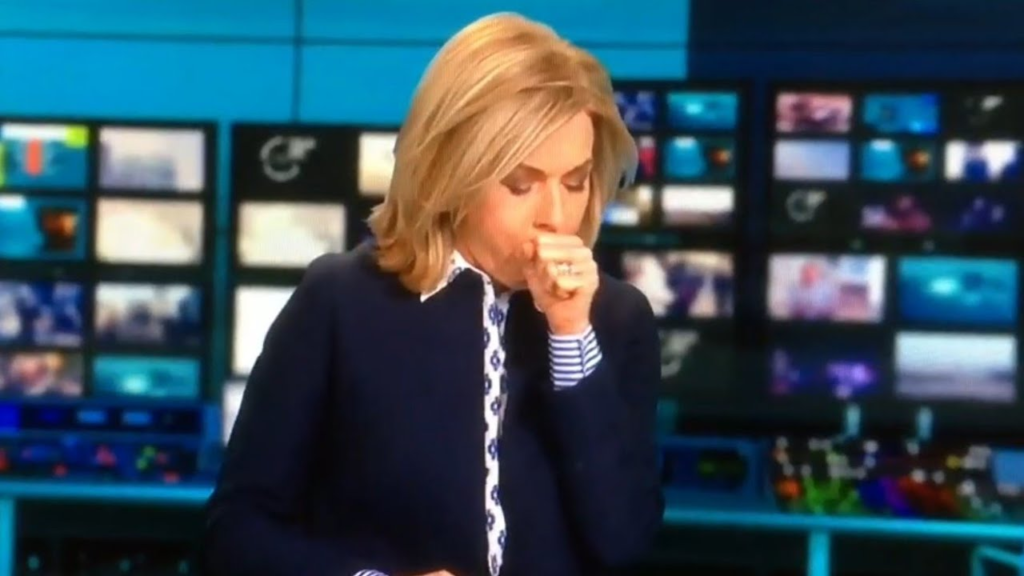
Shortly after settling into her role at ITV, Mary began noticing persistent and troubling changes in her voice. During rehearsals and live bulletins, her voice would crack unexpectedly. At other times it would weaken or fade entirely, leaving her struggling to project clearly on air. Initially, she put it down to fatigue, seasonal dryness, or the pressure of a new role. The symptoms, however, did not go away.
Over the following months, the condition worsened. There were occasions where her voice threatened to give out completely during live broadcasts — an alarming situation for any presenter, but particularly devastating for someone whose entire professional identity depended on vocal clarity and consistency. On at least one occasion, she was unable to present a scheduled lunchtime bulletin because her voice had simply failed her.
For over 15 months, she carried this burden largely in private. She sought medical advice discreetly, not wanting to alarm viewers or invite speculation before she had answers herself.
Mary Nightingale Throat Cancer Scare: The Frightening Tests
The most harrowing chapter of Mary Nightingale’s health journey was the period of medical testing, during which throat cancer was listed as a genuine possibility that doctors needed to rule out.
Persistent voice changes and throat issues can indicate a number of serious underlying conditions. Given the nature and duration of her symptoms, her medical team conducted thorough examinations including specialist assessments of her vocal cords and throat. The spectre of throat cancer loomed heavily during this time. For someone whose career — and arguably whose identity — was built on her voice, the prospect was understandably terrifying.
An ITN insider at the time confirmed the gravity of the situation, noting that the cancer tests were among the most frightening moments for Mary, though doctors made clear they had to explore every possibility. The waiting period stretched across months of uncertainty, during which she continued to appear on screen, maintaining professionalism while privately fearing the worst.
The relief came when all test results came back clear. Throat cancer was definitively ruled out. There was no malignancy, no tumours, no cancer diagnosis of any kind. What the results did not immediately answer was what was actually causing the ongoing problems — and that question brought its own anxieties.
Mary Nightingale Voice Strain: The Real Diagnosis
Once cancer and other serious medical conditions had been eliminated, attention turned to understanding the root cause of Mary’s vocal difficulties. The medical consensus that emerged pointed to a combination of stress-related vocal cord strain, chronic vocal overuse, and potentially acid reflux — a condition known to exacerbate throat problems and one that can be triggered by irregular eating patterns and sustained professional pressure.
In plain terms, her body had been absorbing the cumulative toll of years of live broadcasting, long working hours, intense editorial demands, and the requirement to perform flawlessly in front of millions — day after day, without visible falter. The voice had become the pressure valve, and it was giving way.
One of Britain’s leading voice coaches, Graeme Lauren of the English National Opera, who commented on cases of this type at the time, explained that stress problems and poor breath control are a common combination for presenters experiencing these symptoms. His advice centred on proper posture, deep breathing techniques, reducing caffeine intake, staying hydrated, and maintaining overall physical health — essentially, the discipline of an opera singer applied to broadcast journalism.
This diagnosis, while less frightening than cancer, was still a serious professional wake-up call. Vocal strain of this severity, left unaddressed, could have forced her off air permanently.
Mary Nightingale Stress Illness: The Emotional and Psychological Toll
What is often overlooked in accounts of Mary Nightingale’s health problems is the psychological dimension of what she endured. For more than a year, she lived with the fear that cancer might end not just her career, but her life. That kind of sustained uncertainty does not leave a person unchanged.
Even after cancer was ruled out, she faced the uncomfortable reality that stress — something she might have expected to manage — had caused measurable physical damage. The very act of delivering the news, of maintaining composure while reporting tragedies, disasters, and loss, had taken a physical toll she could no longer ignore.
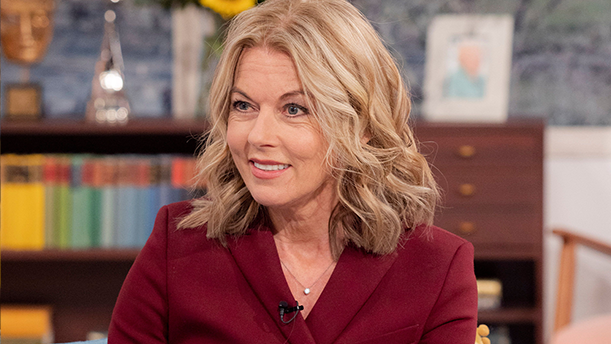
During the COVID-19 pandemic, Mary offered a rare glimpse into the emotional weight of her role. Speaking to Radio Times, she acknowledged that her voice would sometimes seem to fail her when reading out the daily death tolls — almost as if it didn’t want to say the words. She admitted to feeling like crying at times, while also noting that she didn’t think it was helpful to do so on air. That statement captures something essential about who she is: deeply empathetic, utterly professional, and quietly carrying more than most viewers ever realised.
The studio environment, with its precision demands and constant public scrutiny, leaves little room for visible vulnerability. Managing genuine health difficulties while maintaining a public persona of calm authority requires a form of strength that rarely gets the recognition it deserves.
Mary Nightingale ITV Evening News Health: Support from ITV
Throughout her health challenges, Mary was not without support. ITV and ITN colleagues played a meaningful role behind the scenes, adjusting schedules where necessary and providing the flexibility that allowed her to manage her condition without having to step away from her career entirely.
This institutional backing was significant. In a profession where absence can quickly become career-damaging, ITV’s willingness to accommodate her needs while maintaining her position demonstrated both confidence in her abilities and a level of organisational care that likely aided her recovery.
Viewers, too, responded with compassion once the nature of her difficulties became public. Messages of support from people who had watched her for years gave her encouragement through one of the harder periods of her professional life. Colleagues across the media industry praised her publicly for the dignity with which she handled a situation that could easily have been exploited for tabloid attention but was instead managed with discretion and quiet determination.
Mary Nightingale Recovery Story: How She Got Better
Recovery for Mary Nightingale was not an overnight transformation. It was a gradual, disciplined process built on sustained lifestyle changes and professional adjustments.
At its core, the recovery involved vocal therapy and coaching — learning the breath control and projection techniques used by trained opera singers. This meant sitting properly, breathing from the diaphragm, staying well hydrated, eliminating caffeine, and treating her voice as the precision instrument it was rather than something that could simply be pushed through discomfort.
Beyond the vocal exercises, recovery required broader lifestyle changes. Better sleep, improved nutrition, more deliberate stress management, and a more protective approach to her working schedule all contributed. She became more attuned to the signals her body was sending and less inclined to override them in service of professional expectations.
Gradually, her voice stabilised. The cracking and fading that had plagued her broadcasts diminished. She returned to full-time anchoring with renewed focus and a clearer sense of the boundaries needed to sustain a long career. Her comeback required no dramatic announcement. She simply continued doing what she had always done — presenting the news, one bulletin at a time, with the authority her audience had come to rely upon.
| Year | Event |
|---|---|
| 2001–2002 | Vocal strain and throat issues emerge |
| 2002 | Underwent tests for throat cancer (scare, not confirmed) |
| 2002–2003 | Recovery through medical care and lifestyle changes |
| 2010s–2020s | Continued broadcasting with ongoing stress management |
| 2026 | Healthy, still presenting ITV Evening News |
Mary Nightingale 2026 Health Update: Where Things Stand Now
As of 2026, Mary Nightingale remains an active and respected presenter at ITV News. There is no verified information or official statement confirming any serious ongoing illness. She continues to anchor major broadcasts, cover significant national and international news events, and fulfil her role with the professionalism that has defined her career.
Online speculation about her health has not entirely disappeared. Viewer-driven discussions on platforms like Mumsnet and social media occasionally surface when her voice sounds slightly different or she is absent without public explanation — a pattern that reflects the level of attention her audience pays to her, rather than evidence of any new health crisis. Claims circulating online about breast cancer or other conditions have not been corroborated by ITV, mainstream UK media, or any credible source, and should be treated as unverified.
In February 2024, Mary was the face of ITV’s breaking news coverage of King Charles III’s cancer diagnosis — a high-profile assignment that underlines the continued trust the network places in her as its lead presenter.
For anyone searching for reliable information on Mary Nightingale’s health in 2026, the honest answer is this: she appears well, she is working, and the health scare that once threatened her career was met with the same quiet resilience she brings to everything she does.
Myths vs. Facts: Setting the Record Straight
Misinformation about Mary Nightingale’s health has spread widely online. Here is a straightforward breakdown:
| Claim | Verdict |
|---|---|
| Mary Nightingale has throat cancer | FALSE – all cancer tests returned negative |
| She has breast cancer | UNVERIFIED – no credible source has confirmed this |
| She has retired due to illness | FALSE – she remains an active ITV presenter in 2026 |
| Her voice problems were career-ending | FALSE – she made a full recovery and continues broadcasting |
| Frequent absences indicate ongoing serious illness | UNVERIFIED – absences are normal for any long-serving presenter |
| She suffered from laryngeal dystonia | UNVERIFIED – viewer speculation only, no medical confirmation |
Lessons from Mary Nightingale’s Health Journey
Mary Nightingale’s experience carries relevance well beyond the world of broadcasting. Her story is, at its heart, a study in what happens when professional demands are allowed to outpace personal wellbeing for too long.
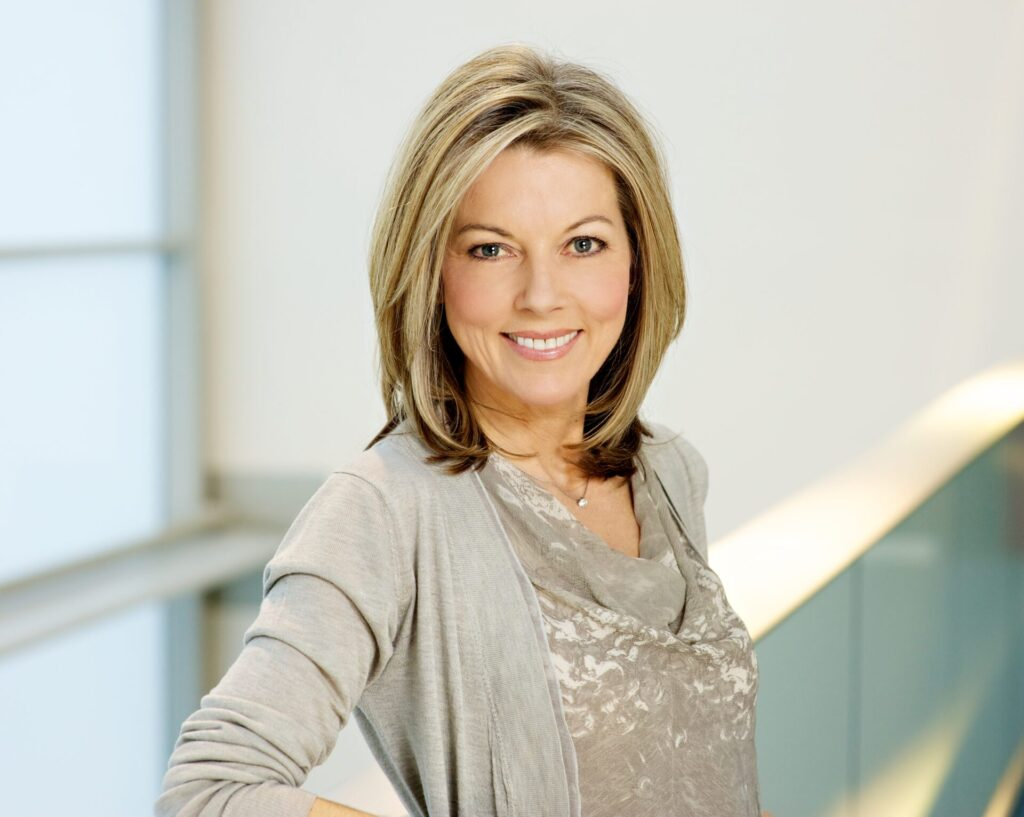
Vocal fatigue, stress-related illness, and burnout are not exclusive to newsreaders. Teachers, lawyers, managers, and anyone who relies on sustained performance under pressure faces comparable risks. The lesson her story offers is straightforward: take early warning signs seriously, seek medical attention without delay, and do not let the fear of appearing vulnerable prevent you from getting the help you need.
Her recovery demonstrates that with the right support, the right changes, and the right mindset, it is possible to come back from even a frightening health scare — not diminished, but often stronger and more self-aware than before.
Conclusion
The story of Mary Nightingale’s illness is ultimately one of quiet strength. From a frightening throat cancer scare and months of debilitating voice problems to a disciplined recovery and a continued presence as one of ITV’s most trusted anchors, her journey reflects a kind of resilience that rarely makes headlines precisely because it does not seek to.
She did not turn her health battle into a public campaign or a media moment. She sought answers, made changes, accepted support, and kept working. In 2026, that approach appears to have served her well. Mary Nightingale remains one of British television’s most enduring figures — and her health story, now properly understood, only adds to the respect she has earned over more than three decades in broadcast journalism.