

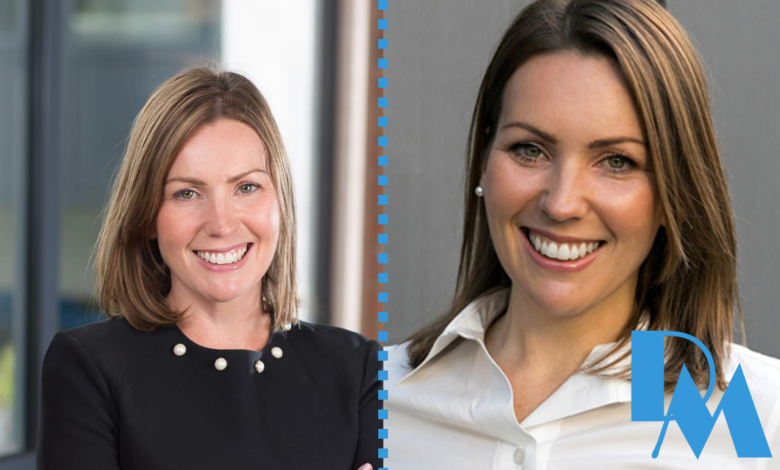
Sarah Lewthwaite is a British BBC journalist, Senior Lecturer at the University of West London, and Principal Research Fellow at the University of Southampton. This profile covers her biography, dual career in journalism and academia, groundbreaking accessibility research, and her personal life as the long-term partner of BBC Chief North America Correspondent Gary O’Donoghue.
Quick facts
| Full Name | Sarah Lewthwaite |
| Nationality | British |
| Education | Ormskirk Grammar School; Staffordshire University (Journalism & Media Studies); MA Research Methods (Distinction); PhD – University of Nottingham (Learning Sciences Research Institute) |
| BBC Career Start | 1985 |
| Current BBC Role | BBC Journalist / Freelance Producer (Washington D.C.) |
| Academic Position | Senior Lecturer, University of West London (London School of Film, Media & Design) |
| Research Role | Principal Research Fellow & Co-Director, Centre for Research in Inclusion, University of Southampton |
| Research Project | Teaching Accessibility in the Digital Skill Set (UKRI Future Leaders Fellowship, 2019–2023) |
| Previous Teaching | Manchester Metropolitan University (2014–2015); National Centre for Research Methods, Southampton (from 2015) |
| Partner | Gary O’Donoghue (BBC Chief North America Correspondent) |
| Children | One daughter, Lucy (born c. 2002) |
| Location | Washington D.C. / London / Yorkshire |
| W3C Membership | Member, Web Accessibility Initiative – Education & Outreach Working Group |
Sarah Lewthwaite Biography
Sarah Lewthwaite is one of those rare professionals who has built two distinguished careers simultaneously — one in frontline journalism and one in scholarly research — without either suffering for the other. A British journalist with BBC credentials stretching back four decades, and an academic whose work on digital accessibility has reshaped how universities and workplaces approach inclusive design, Lewthwaite occupies a unique space where reporting, education, and social justice meet.
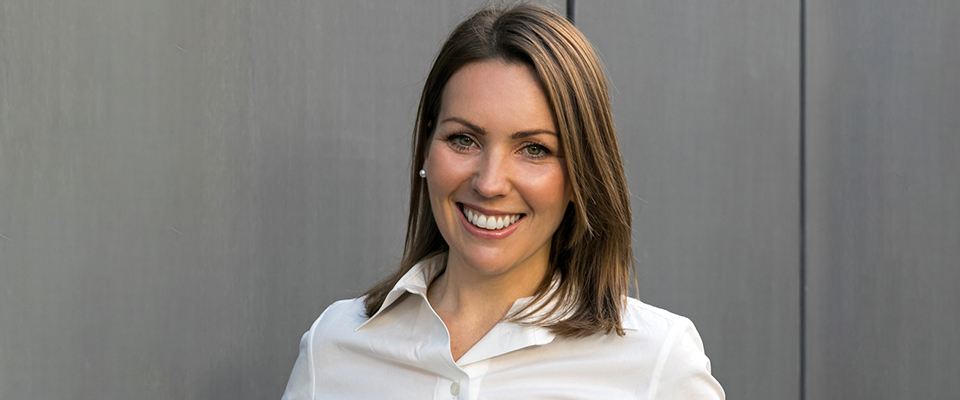
Her early life remains largely private, but it is known she was educated at Ormskirk Grammar School before going on to study journalism and media studies at Staffordshire University. That grounding in both craft and theory would prove foundational, informing everything from her editorial instincts on the BBC shop floor to the pedagogic frameworks she later developed in academia.
She holds an MA in Research Methods with Distinction and a PhD from the Learning Sciences Research Institute at the University of Nottingham. During her doctoral studies, she investigated how networked publics such as Facebook create and alter experiences of disability using advanced accessible digital research methods. It was a subject that would become the defining thread of her scholarly identity.
Sarah Lewthwaite as a BBC Journalist
Sarah Lewthwaite’s career at the BBC began in 1985. Over the years, she has worked across an extraordinary range of roles and formats, from local radio to flagship television programmes. That longevity alone speaks to her adaptability and editorial judgment in a media environment that rarely stays still for long.
Her career has spanned roles across Radio 4, the BBC World Service, TV news bulletins, and documentary programmes, with reporting and production work carried out in more than 20 countries. She has contributed to award-winning documentaries on Radio 4, as well as special current affairs programmes, and held leadership roles in Westminster and London newsrooms.
More recently, Lewthwaite has worked as a freelance producer in Washington D.C., a move that coincided with her relocation to the United States alongside her partner Gary O’Donoghue, who was appointed BBC Chief North America Political Correspondent. In that capacity, she has remained close to the heart of the biggest political story of the decade — American democracy under pressure — while continuing her academic work across the Atlantic.
“Sarah Lewthwaite’s career reflects dedication, intellectual rigour, and a lifelong commitment to informing the public and supporting media education.” — NewsDip
Sarah Lewthwaite as a Journalism Lecturer
Alongside her BBC work, Lewthwaite has steadily built a parallel identity as an educator, taking seriously the responsibility of passing professional knowledge to the next generation. She currently holds the position of Senior Lecturer at the University of West London, where she works in the London School of Film, Media and Design.
Before joining the University of West London, she held teaching and leadership positions at several institutions, including a lectureship in Multimedia Journalism at Manchester Metropolitan University between 2014 and 2015. These roles reflect a professional who doesn’t simply teach journalism as a subject but brings the lived texture of decades on the ground to every seminar room.
Her engagement with students extends beyond the classroom. In March 2025, she facilitated a special In Conversation event where her partner Gary O’Donoghue — fresh from winning a Royal Television Society Breaking News Award — spoke directly to students and staff at the University of West London. It was a vivid example of how Lewthwaite bridges her professional worlds, bringing real-world journalism into academic spaces in a way that enriches both.
Sarah Lewthwaite at the University of Southampton
Lewthwaite’s research career is anchored at the University of Southampton, where she holds one of the most senior positions in her field. She is a Principal Research Fellow and Co-Director of the Centre for Research in Inclusion at Southampton Education School, where she leads a major research agenda around the teaching and learning of digital accessibility in higher education and the workplace.
She first joined Southampton Education School in 2015 as a Research Fellow at the National Centre for Research Methods. Prior to her academic career, she had worked supporting disabled students’ access to education and technology in both secondary and higher education as well as the public sector. That background in disability support services gives her research an unusually grounded quality — she is not a researcher at a distance from her subject matter.
Dr Lewthwaite was awarded one of the first UK Research and Innovation Future Leaders Fellowships for her innovative work in the field of teaching digital accessibility — making her one of the first 50 academics in the UK to receive a Future Leaders Fellowship (FLF). The UKRI scheme aims to grow the supply of talented researchers needed to ensure that UK research and innovation continues to be world class.
Sarah Lewthwaite Accessibility Research
Sarah’s research expertise and interests centre on the teaching and learning of accessibility in academia and the workplace. She also maintains a keen interest in inclusion, disability and new media research, inclusive and accessible research methods, and student experience. In a digital age where technology increasingly determines who can and cannot participate in civic and professional life, this work carries real social weight.
Her UKRI Future Leaders Fellowship delivered a transformative programme of research into digital accessibility education at university and in the workplace, designed to build workforce capacity for the development of accessible digital tools and services. Digital technologies have revolutionised daily life, yet capacity for producing accessible tools and services has not kept pace with demand — a gap that has consistently disadvantaged disabled people and older populations.
By blending theory and practice, Lewthwaite makes accessibility education both practical and deeply reflective. Her leadership and vision have helped build stronger communities around digital inclusion. Published across peer-reviewed journals and conference proceedings, her output ranges from systematic literature reviews on accessibility teaching in computer science to reflective pieces on European digital accessibility laws and their real-world implications for disabled people in the UK.
She is also a Member of the W3C Web Accessibility Initiative Education and Outreach Working Group — a body that shapes international standards for accessible web design — signalling the reach of her influence beyond UK academia into global policy and practice.
Key Publications & Research Contributions
Her scholarly record is substantial. Notable contributions include work on student perspectives on learning research methods in the social sciences (2020), a study on what new European digital accessibility laws mean for disabled people in the UK (2020), and research into teaching accessibility in computer science and related disciplines. Her 2023 work on workplace approaches to teaching digital accessibility, published in Frontiers in Computer Science, highlights the practical dimension of her agenda — ensuring that accessibility is not just an academic subject but a lived professional competency.
Sarah Lewthwaite and Gary O’Donoghue
In much public reporting, Lewthwaite is most immediately recognisable as the long-term partner of BBC journalist Gary O’Donoghue. While this framing risks underselling her own career, the relationship itself is a meaningful part of her story — two BBC professionals who have navigated the pressures of international journalism while building a family life together.
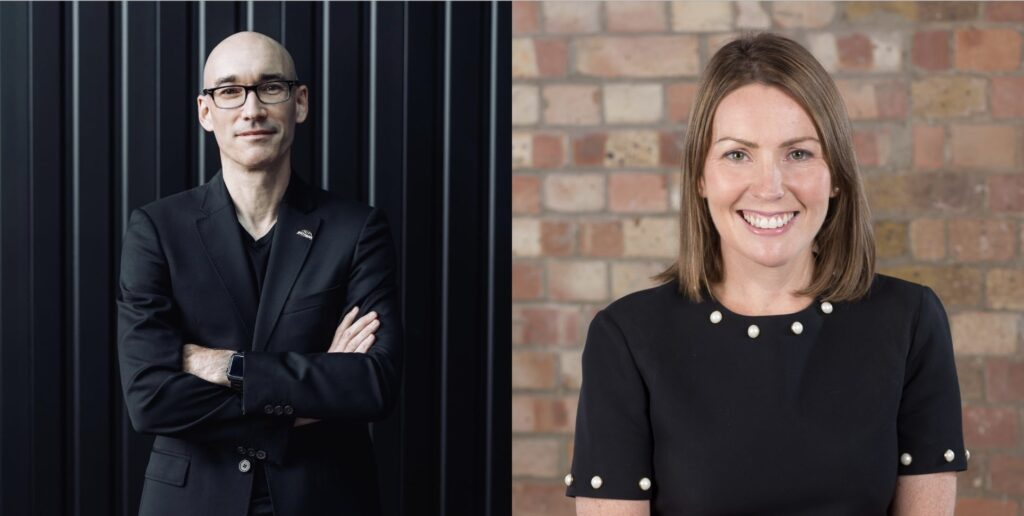
Gary O’Donoghue (born 1968) is a British journalist who works as the chief North America political correspondent for BBC News in Washington D.C. He is blind. His career at the BBC has been defined by breaking barriers — he became the first disabled individual appointed as a foreign correspondent by the BBC.
By 2009, a profile in The Independent described O’Donoghue living in Yorkshire with Sarah Lewthwaite and their young daughter Lucy. As O’Donoghue’s role within the BBC expanded, the family’s environment shifted with it. By 2024, reporting confirmed that Lewthwaite and their daughter had relocated with him to the United States.
The family splits their time between Yorkshire, London, and Washington D.C., reflecting the global nature of their careers. For Lewthwaite, this transatlantic life has required considerable professional flexibility — maintaining BBC commitments, academic research output, and university lecturing responsibilities across different time zones and continents. That she continues to do so with evident vigour says much about her professional drive.
In July 2024, following O’Donoghue’s widely praised reporting from the scene of the attempted assassination of Donald Trump at a rally in Butler, Pennsylvania, Lewthwaite shared his subsequent Sunday Telegraph interview reflecting on the experience, describing him as BBC Senior North America Correspondent. It was a rare public window into the personal pride she takes in his work — and a quiet signal of the mutual support that underpins one of British journalism’s most remarkable partnerships.
Legacy and Influence in Journalism and Academia
What makes Sarah Lewthwaite’s story worth telling carefully is precisely what makes it easy to overlook: she has built two careers, not one. In journalism, she spent four decades contributing to some of the most important output in British broadcasting. In academia, she has led research that challenges universities, technology companies, and governments to take digital accessibility seriously as an issue of disability rights rather than a box-ticking compliance exercise.
Her work as a lecturer has contributed to the ongoing development of journalism as a profession, with her students carrying forward the values of professionalism, integrity, and accountability in their own careers. At the same time, her accessibility research is shaping the next generation of technologists, designers, and educators who will build the digital infrastructure that disabled people depend on.
Dr Sarah Lewthwaite proves that true inclusion begins not just with technology, but with how we teach, learn, and connect with one another. That framing — accessible by design rather than by afterthought — captures the philosophy that runs through everything she has done, in the newsroom and in the lecture hall alike.

6 Comments